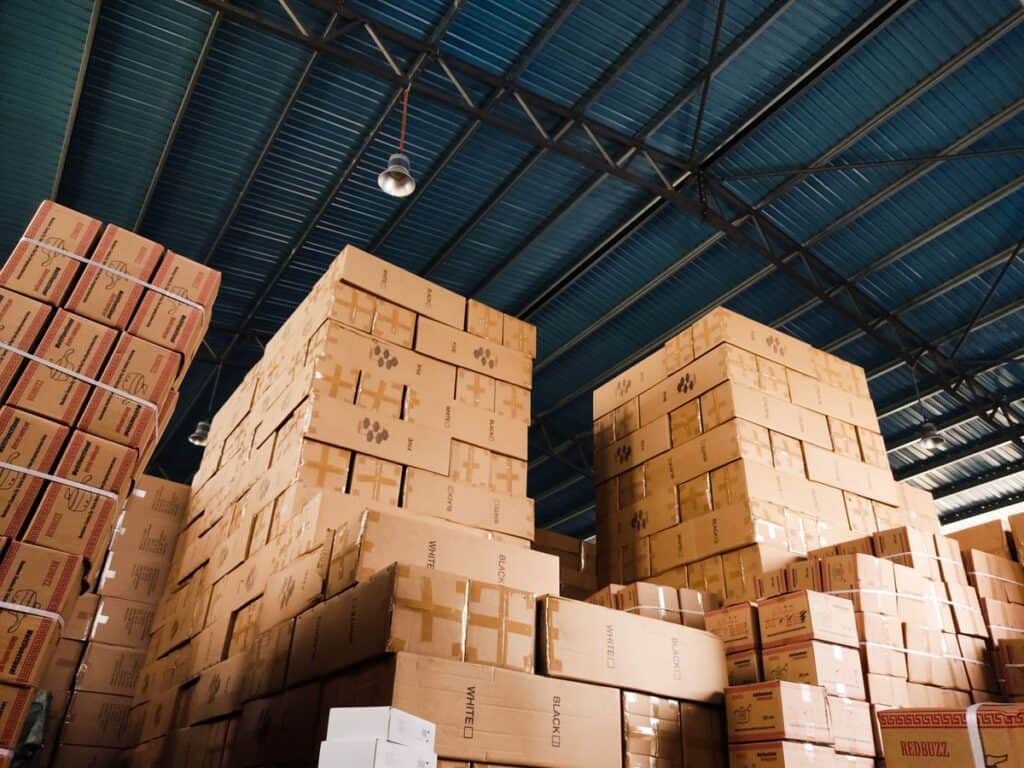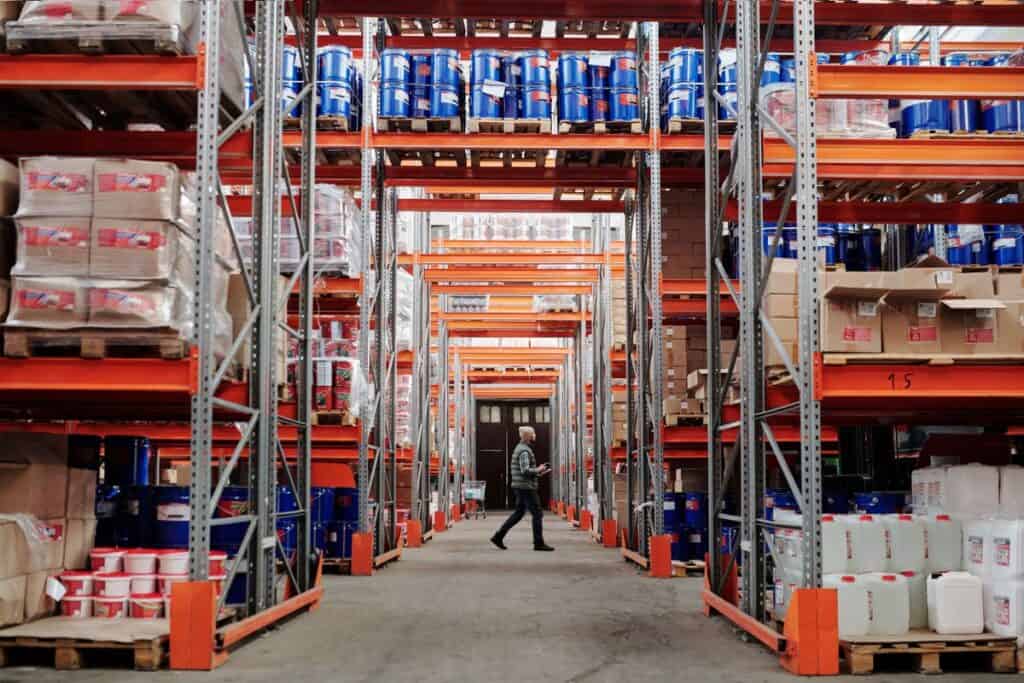

What is cross docking? In one sentence: cross docking is a distribution practice where inbound products are unloaded from arriving trucks and moved directly to outbound trucks with little or no storage in between, cutting inventory time from days to hours. Instead of receive, store, pick, and ship, the building becomes a sorting valve: product flows through it rather than resting in it.
At Warehouse Recruiters, we place the distribution and warehouse leaders who run these operations, and cross dock experience is one of the most requested capabilities in the searches we fill. This guide explains how cross docking works, the types of operations that use it, the honest pros and cons, and the leadership demands that decide whether a cross dock hums or descends into chaos.
How Cross Docking Works
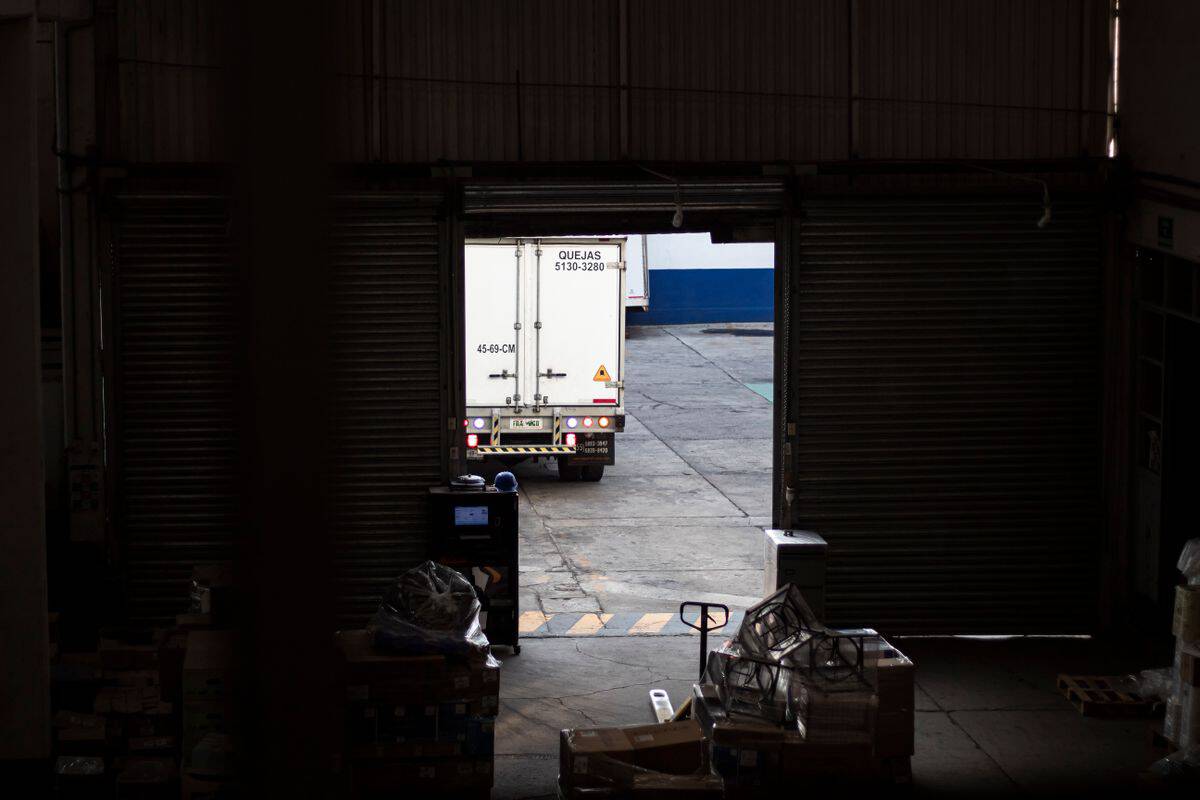
The mechanics are simple to describe and demanding to execute. Inbound trailers arrive on one side of the facility, often scheduled into tight appointment windows. Product is unloaded, verified, and sorted, by destination, store, route, or order, then staged briefly and loaded onto outbound trailers on the other side of the dock. The window between arrival and departure is typically measured in hours, and in high-velocity operations product may touch the floor for less than a day.
Everything depends on synchronization. Inbound schedules must align with outbound departures, the sortation plan must be accurate, and the dock must be choreographed so trailers, doors, labor, and forklifts converge at the right moments. A warehouse management system or dedicated cross dock software directs the flow, but the daily reality is run by supervisors reading a live puzzle of late trucks, short shipments, and shifting priorities. When the synchronization slips, freight piles up on the dock, and a cross dock with freight piling up is failing at its one job.
The Main Types of Cross Docking
Retail Distribution Cross Docking
Retailers consolidate inbound product from many suppliers and sort it to stores, often mixing full-pallet moves with case-level breakdowns. This is the classic model that made cross docking famous in mass retail, and it lives or dies on supplier compliance and accurate advance shipment notices.
Manufacturing and Supplier Consolidation
Manufacturers use cross docks to merge components from multiple suppliers into production-sequenced deliveries, supporting just-in-time lines. Timing tolerance here is razor thin, because the customer is a production schedule rather than a store shelf.
Transportation and LTL Cross Docking
Carriers and 3PLs use cross docks to consolidate less-than-truckload freight into fuller, cheaper linehauls, and to deconsolidate at destination for local delivery. Parcel hubs are effectively continuous cross docks running at extreme speed.
E-Commerce and Flow-Through Fulfillment
Fast-moving e-commerce networks use flow-through patterns for high-velocity items and presold merchandise, moving inbound receipts straight to outbound parcels or route trucks without shelving them. Peak season leans on these patterns heavily to keep buildings from drowning in storage.
The Benefits, and the Honest Tradeoffs
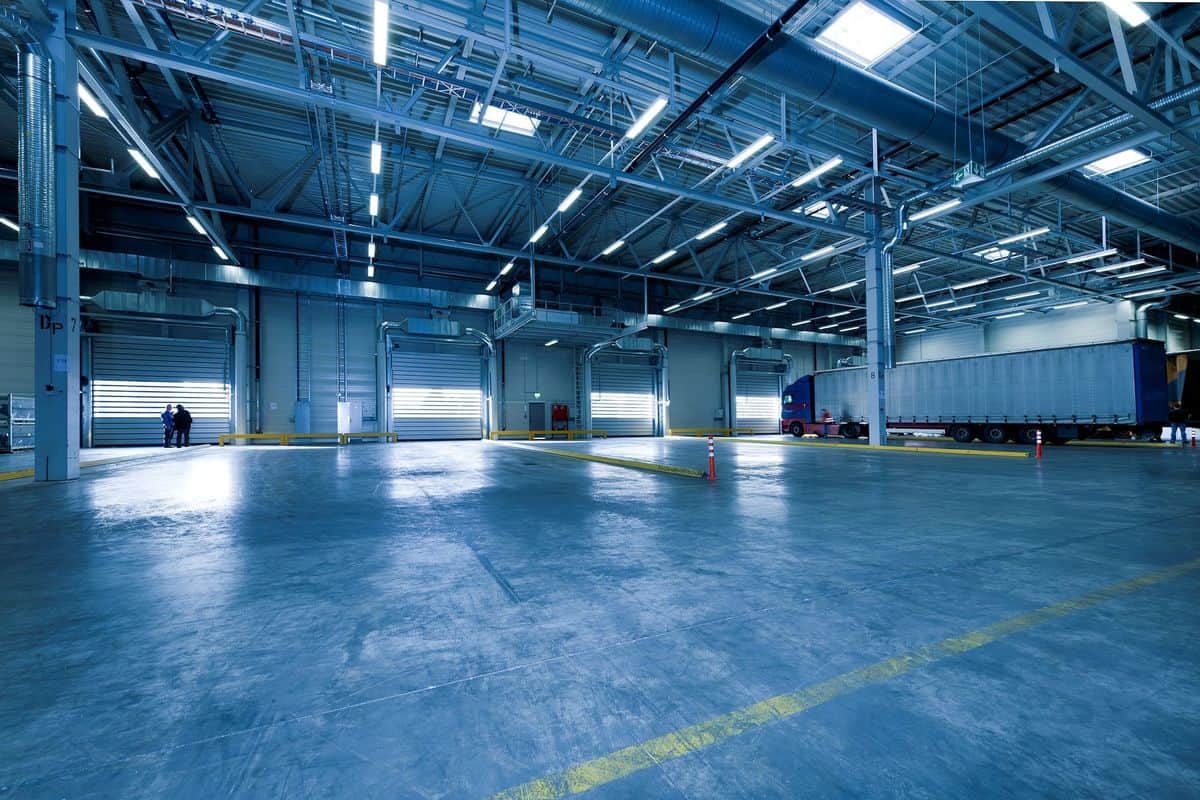
The upside is real. Inventory carrying cost drops because product barely dwells. Handling drops because you touch goods twice instead of four or five times. Speed rises, which matters for freshness in food, for trend windows in retail, and for customer promises in e-commerce. Space productivity rises too, since a flowing dock moves more volume through less square footage than a storage operation.
The tradeoffs are equally real. Cross docking removes the buffer that storage provides, so supplier reliability problems land immediately on customers instead of being absorbed by safety stock. It demands disciplined scheduling, strong systems, accurate advance data, and suppliers who label and ship correctly. And it concentrates risk in execution: a mis-sorted pallet is not a shelf error to fix tomorrow, it is on a truck to the wrong state tonight. Operations that adopt cross docking without the discipline it assumes usually retreat within a year.
When Cross Docking Makes Sense
The practice fits products with predictable demand and high velocity, perishables racing shelf life, presold or promotional goods with known destinations, and networks where transportation consolidation pays. It fits poorly with erratic demand, long-tail SKUs that need buffering, and supplier bases that cannot hit appointments or label accurately. Most real networks blend the models: flow-through for the fast movers, conventional storage for the rest, which is why understanding both disciplines matters when you build a building or hire its leadership. For the storage side of that comparison, see our guide to hiring a distribution center manager.
Setting Up Cross Docking: A Practical Checklist
For operations considering the move, the readiness questions are concrete. Start with data: can your suppliers provide accurate advance shipment notices, and can your systems consume them, because sortation without advance data is guesswork at speed. Next, physical layout: cross docks want doors on opposing walls, shallow staging depth, and clear flow paths, and a building designed for storage racking often fights the model. Then scheduling discipline: appointment systems for inbound and outbound, enforced consistently enough that carriers believe them.
Labor planning changes shape as well. Storage operations staff to averages; cross docks staff to waves, with labor concentrated around inbound arrival banks and outbound departure cutoffs. Supervision ratios typically run tighter, because exceptions must be caught in minutes rather than shifts. Finally, measure the right things from day one: dwell time per shipment, dock-to-dock hours, sort accuracy, and trailer turn time, the metrics that tell you whether product is actually flowing or quietly pooling on the floor.
Most operations succeed by starting narrow: one flow, one set of reliable suppliers, one lane of presold or high-velocity product, proving the synchronization before expanding. The failures we see usually inverted that order, converting broad flows overnight on the strength of a consultant deck, then discovering their supplier base could not hit the windows the model assumed. Cross docking rewards operational maturity; it does not create it.
The Leadership a Cross Dock Demands
Here is the part the textbooks undersell: cross docking is a leadership-intensive model. A storage warehouse forgives a mediocre shift; the buffer absorbs it. A cross dock forgives nothing, because the operation is the timing. The leaders who run these buildings well share a profile: they plan labor against inbound schedules rather than averages, they treat dock scheduling as a discipline rather than a suggestion, they read exceptions early and re-sequence without drama, and they hold carriers and suppliers accountable to the standards the model assumes.
When we screen candidates for cross dock and flow-through operations, we probe for exactly that: real appointment-schedule management, experience recovering a dock that fell behind, and fluency in the systems that direct sortation. A leader who has only run storage operations can learn the model, but the transition is bigger than it looks on a resume, which is why specialist screening matters. Our guide to warehouse operations manager hiring covers the broader role, and our piece on warehouse management system skills covers the systems fluency cross docks demand.
Hire Cross Dock and Distribution Leadership
If you run a cross dock, a flow-through operation, or a distribution center adopting these patterns, the leadership seat is the difference between the model working and the model failing loudly. We place permanent, direct-hire warehouse and distribution leaders nationwide, screened specifically for the operating model they will run. Reach Warehouse Recruiters through our contact page or call (201) 503-1082 to start a confidential search. For context on demand for these roles, see the U.S. Bureau of Labor Statistics outlook for transportation, storage, and distribution managers.
Frequently Asked Questions
What is cross docking in simple terms?
Cross docking means moving products directly from inbound trucks to outbound trucks with little or no storage in between. Goods are unloaded, sorted by destination, and reloaded within hours, which cuts inventory cost and speeds delivery compared with storing and picking.
What is the difference between cross docking and warehousing?
Traditional warehousing stores goods until they are ordered, using the building as a buffer. Cross docking uses the building as a sorting point, with product flowing through in hours. Warehousing absorbs supply and demand variability; cross docking assumes reliability and rewards it with speed and lower cost.
What products are best for cross docking?
High-velocity items with predictable demand, perishables, presold and promotional goods, and freight that benefits from transportation consolidation. Slow-moving or unpredictable products still need conventional storage, which is why most networks run both models side by side.
What does cross docking require to work?
Reliable suppliers, disciplined dock scheduling, accurate advance shipment data, capable systems, and strong floor leadership. Understanding what is cross docking operationally is straightforward; executing it daily is a leadership discipline, and operations that skip that requirement usually abandon the model.