
What does a warehouse manager do? In one sentence: a warehouse manager owns everything that happens inside the building, receiving, inventory accuracy, order fulfillment, labor, safety, and cost, and answers for the results with numbers that arrive daily. It is one of the most measurable management jobs in business, which is exactly why the strong ones are so valuable and so recruited.
At Warehouse Recruiters, we have placed warehouse managers since 2002 and interviewed thousands, so this guide describes the role as it is actually lived: the eight core duties, how the job changes by building type, what a typical day holds, and what separates managers who run buildings from managers whom buildings run.
The 8 Core Duties of a Warehouse Manager
1. Receiving and Inbound Flow
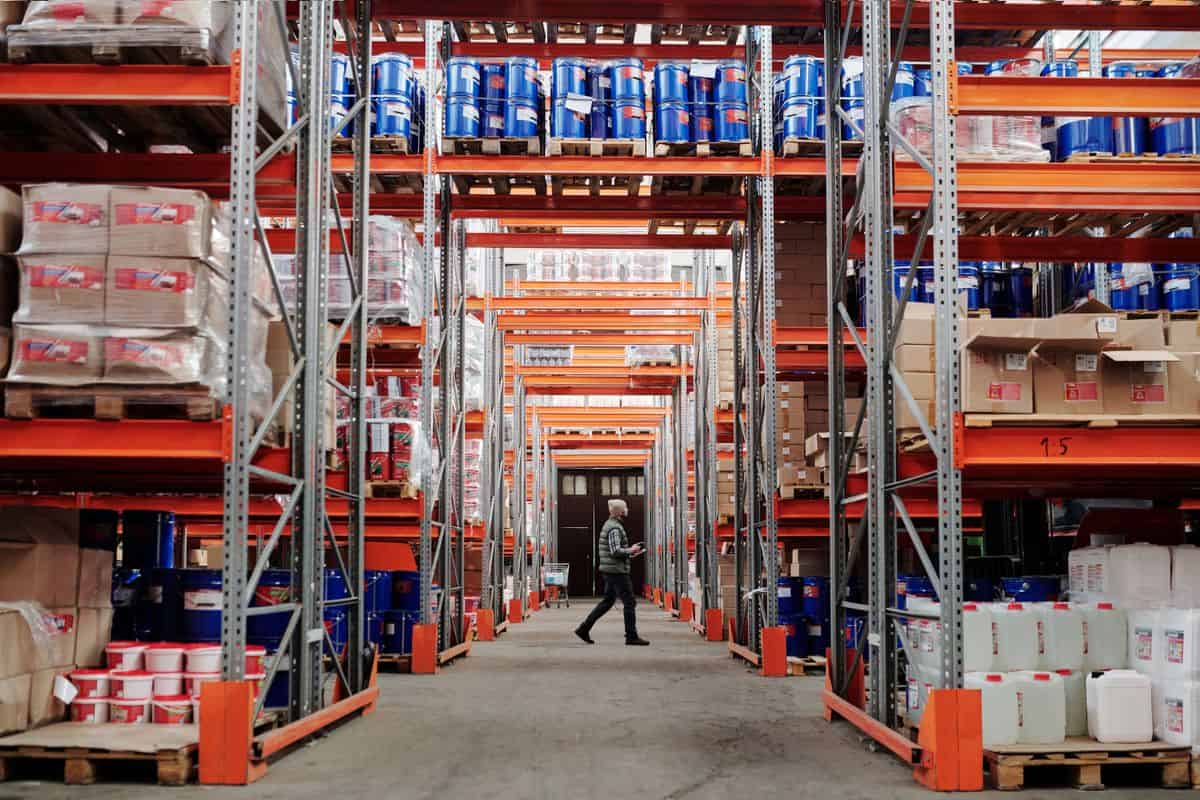
The manager owns the dock schedule, receiving accuracy, and how fast product moves from trailer to sellable stock. Inbound discipline sets the ceiling for everything downstream, and dock-to-stock time is one of the first numbers a good manager watches.
2. Inventory Accuracy
System counts matching physical reality is the foundation the building stands on: cycle counting programs, transaction discipline on every move, and variance investigation that fixes causes rather than adjusting numbers. When accuracy slips, every promise the company makes wobbles.
3. Order Fulfillment
Picking, packing, and shipping to the day carrier cutoffs and customer promises: wave planning, pick-path efficiency, packing compliance, and the daily choreography that turns orders into departures. Accuracy and speed are managed together, because either alone is easy.
4. Labor Planning and Supervision
Labor is the largest controllable cost, and the manager forecasts volume, shapes shifts to demand, cross-trains for flexibility, and leads through supervisors, developing them deliberately rather than inheriting whatever promotion left behind.
5. Safety
The manager owns the safety system, equipment-pedestrian separation, dock restraints, housekeeping, training, near-miss culture, and more importantly owns the standard: what leadership tolerates on the busiest night is the building real safety program.
6. Cost and Budget
Labor hours, supplies, equipment, and often a full building budget roll up to the manager, expressed in cost per order or per unit. Strong managers speak both floor and finance, translating operational choices into numbers leadership can act on.
7. Systems and Data
The warehouse management system directs the work, and the manager is its operational owner: configuration requests, report fluency, and using the data, productivity by function, accuracy by zone, to find problems while they are cheap.
8. Continuous Improvement
Slotting refreshes, process fixes, layout changes, training blocks: the compounding work that separates buildings that improve from buildings that repeat. One sustained improvement per month outruns any transformation initiative per year.
How the Role Changes by Building
The title stays constant while the job shifts underneath it. In an e-commerce fulfillment operation, the manager lives on parcel velocity, returns volume, and seasonal labor swings. In retail distribution, routing-guide compliance and chargeback avoidance shape the week. In a third-party logistics building, multiple client service agreements and cost-to-serve add a commercial layer. Cold chain adds temperature and compliance discipline; manufacturing-linked warehouses add production-schedule pressure. The distinction between flow and storage missions, which we map in distribution center vs warehouse, is the biggest single variable in what the day actually holds.
Scale moves the job too: a fifty-person single-shift building has a hands-on player-coach, while a three-shift operation has a leader of supervisors whose main work is building the bench and keeping three crews one culture. Titles blur across warehouse manager, operations manager, and DC manager, but scope, headcount, shifts, budget authority, matters more than the words, a scoping discipline we treat in our warehouse operations manager job description guide.
A Realistic Day
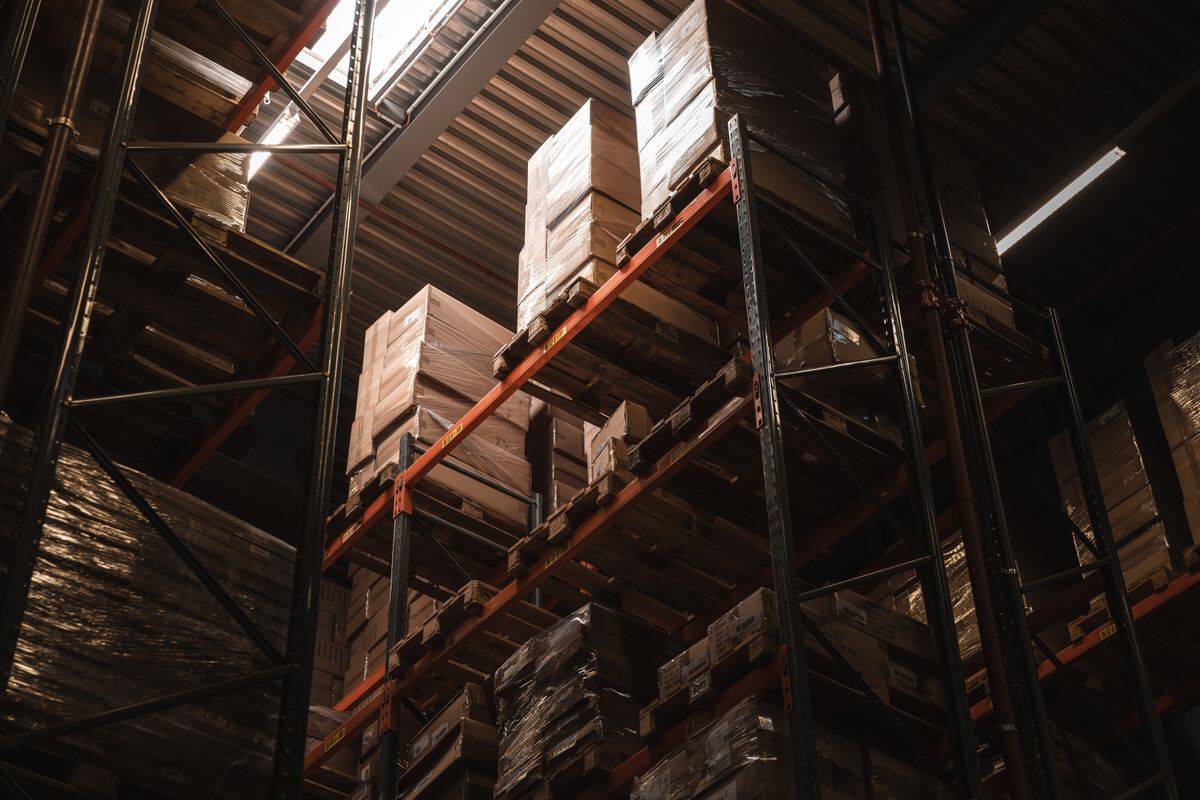
The rhythm is more constant than the industry: arrive before the shift, walk the floor with intent, dock condition, aisle housekeeping, staging from the night. Run the huddle: yesterday numbers, today priorities, one safety note. Morning is exceptions, a short trailer, a systems hiccup, a callout rebalanced across the crew, managed through supervisors rather than around them. Midday holds the scheduled work: a cycle-count review, a supervisor one-on-one, the weekly labor plan against next week forecast. Afternoon watches the outbound clock toward carrier cutoffs, and the day closes the loop: numbers captured, tomorrow staged, the improvement item advanced fifteen minutes. The craft is protecting that rhythm from the chaos, not eliminating the chaos, which never fully leaves.
What Separates the Strong Ones
Interview enough warehouse managers and the separators become predictable: they know their numbers cold and attribute movements to actions; they build supervisors by name and point to people they promoted; their standards survive peak; and they can tell you what they changed about a building, not just what they maintained. The weak signals mirror them, vague metrics, heroic self-narratives with no bench behind them, and standards that flexed whenever volume argued. We turn those separators into an interview method in warehouse manager interview questions, and into a full search discipline in warehouse operations manager hiring.
For candidates weighing the path: the role is demanding, measurable, and increasingly well-compensated precisely because the measurement leaves nowhere to hide, and demand for people who thrive under that visibility continues to grow, as the U.S. Bureau of Labor Statistics projects for transportation, storage, and distribution managers. Managers who master a building rarely stay unrecruited long, a dynamic employers should read as retention advice, which we spell out in why warehouse managers quit.
Hire or Become One, With Help
If you are hiring for this seat, we place permanent, direct-hire warehouse managers and the leadership layer around them nationwide, screened against everything this guide describes, with shortlists typically inside a week. Reach Warehouse Recruiters through our contact page or call (201) 503-1082.
More Questions About the Warehouse Manager Role
We answer related questions in more depth on their own pages: How much does a warehouse manager make?, What is the difference between a warehouse manager and a warehouse supervisor?, and Should you promote a warehouse manager from within or hire externally?
Frequently Asked Questions
What does a warehouse manager do on a daily basis?
A typical day runs from a floor walk and shift huddle through exception management, labor and inventory reviews, and the outbound push to carrier cutoffs, closing with numbers review and next-day staging. The constant duties are accuracy, fulfillment, labor, safety, and cost, managed through supervisors.
What skills does a warehouse manager need?
Labor planning, inventory discipline, safety leadership, WMS and data fluency, budget literacy, and above all people leadership, developing supervisors and holding standards under pressure. The strongest managers pair operational judgment with the ability to translate the floor into business terms.
What is the difference between a warehouse manager and an operations manager?
Usage varies by company: often the warehouse manager owns one building or shift structure while an operations manager spans functions or sites. Scope, headcount, shifts, and budget authority, defines the real difference more reliably than the title.
Is warehouse manager a good career?
For people who like measurable ownership, yes: what does a warehouse manager do reduces to running a business inside four walls, with visible numbers, real teams, and steady demand. Strong performers advance to multi-site, director, and operations executive roles, and are actively recruited throughout.