
Distribution center vs warehouse sounds like a vocabulary question, and operationally it is a strategy question: the two facility types exist for different jobs, run on different rhythms, and demand different leadership. Companies that treat the words as interchangeable tend to design buildings, and hire leaders, for the wrong mission, then wonder why the operation fights its own purpose.
At Warehouse Recruiters, we place leadership across both models daily, and the differences are not academic to us: a leader brilliant in one environment can genuinely struggle in the other. This guide draws the line cleanly, shows where modern buildings blend the models, and explains what the distinction means for hiring.
The Core Difference in One Paragraph
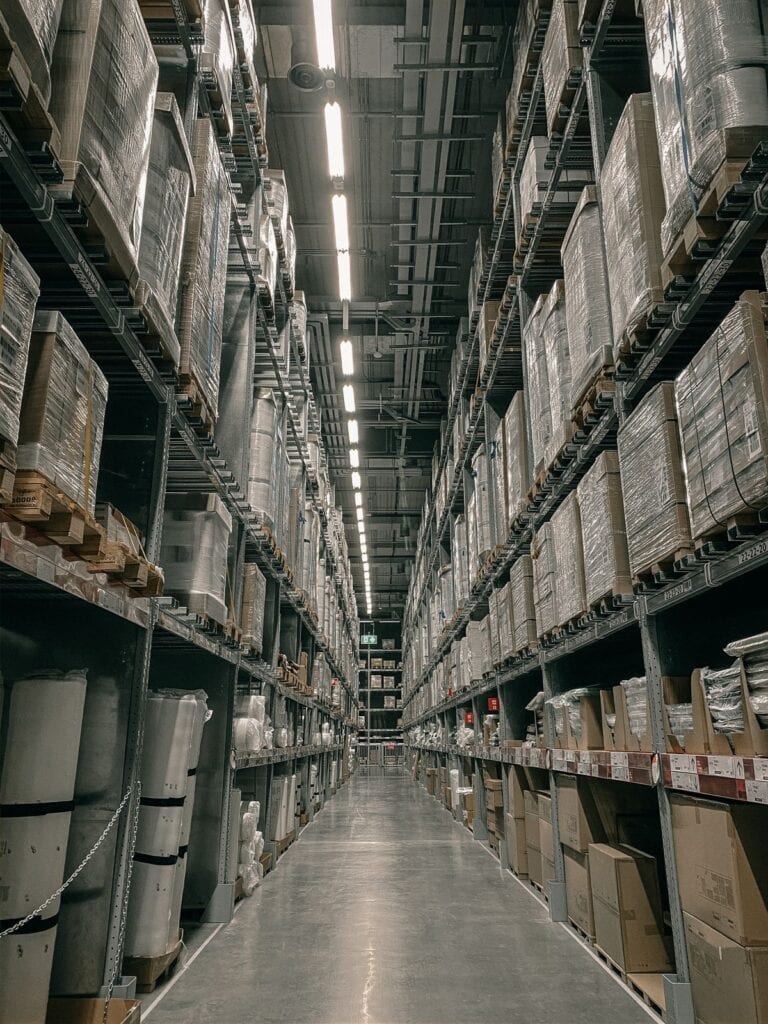
A warehouse, in the traditional sense, is built for storage: goods arrive, are held securely and economically, sometimes for months, and leave when needed. Its economics center on space utilization and inventory carrying cost. A distribution center is built for flow: goods arrive, are processed, and move out to stores, businesses, or consumers, often within days or hours. Its economics center on throughput, speed, and order accuracy. Storage optimizes for holding well; distribution optimizes for moving well, and nearly every operational difference follows from that split.
How the Differences Show Up Operationally
Layout and Design
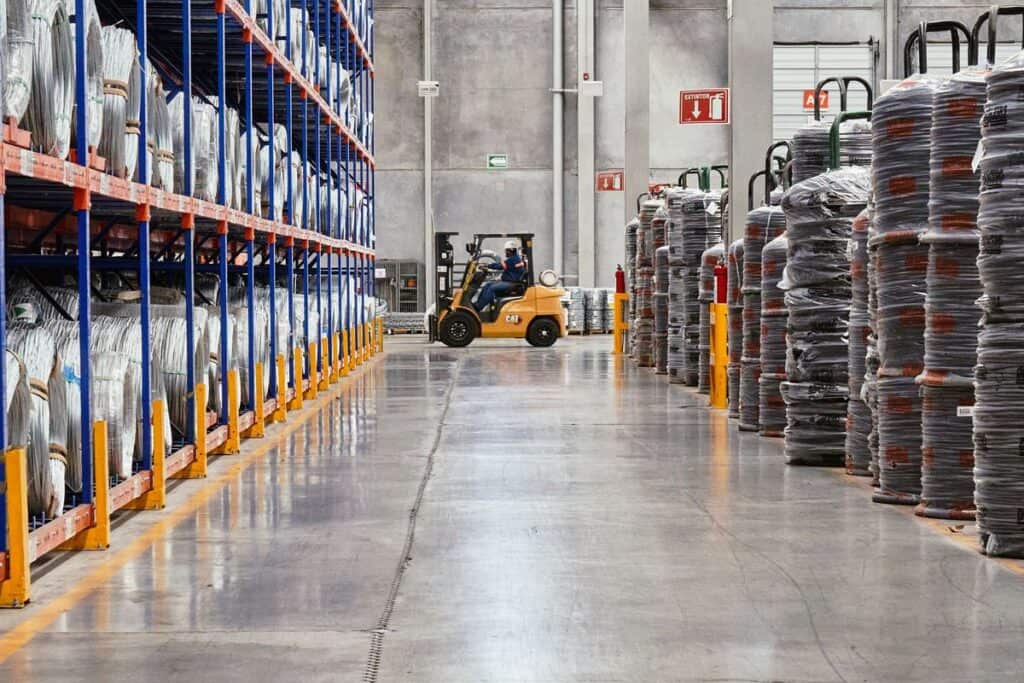
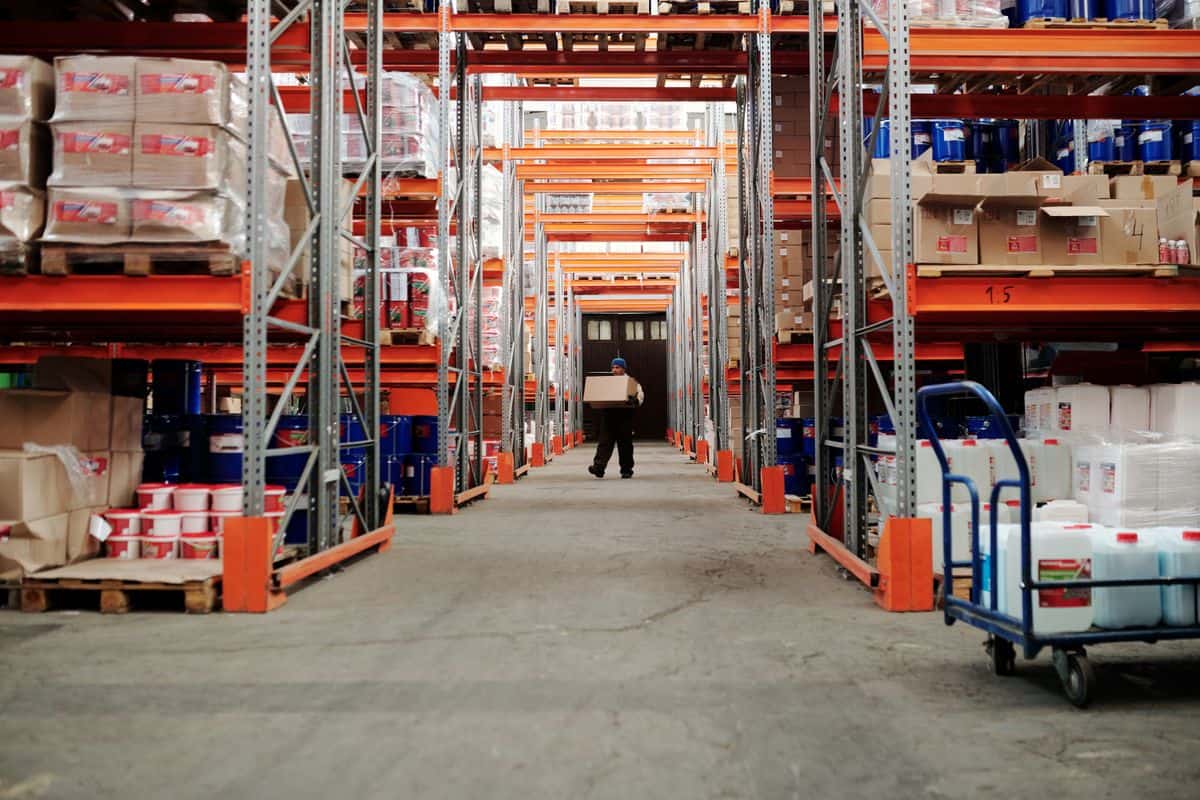
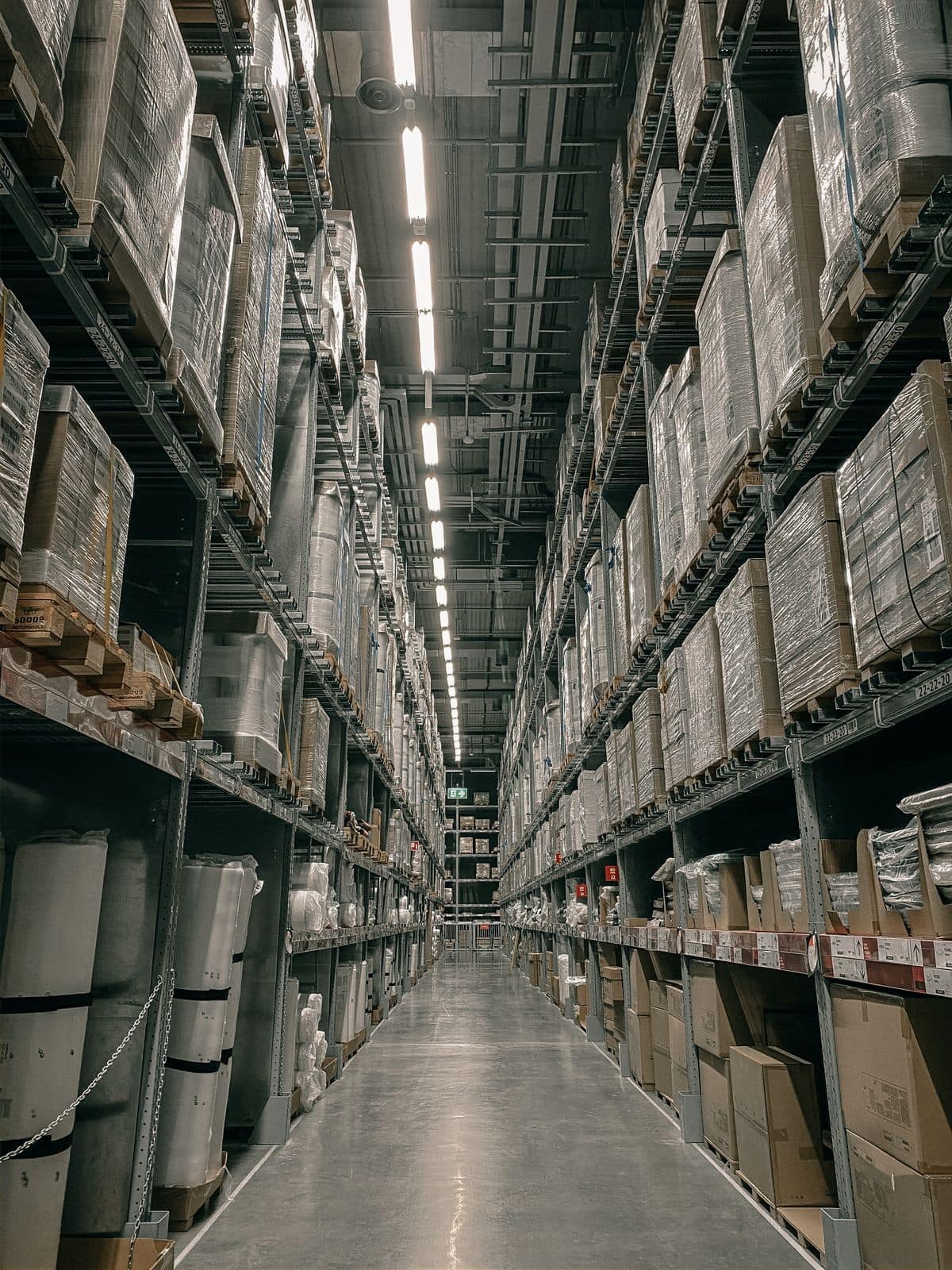
Warehouses maximize storage density: high racking, deep lanes, narrow aisles, dock doors sized for periodic movement. Distribution centers maximize flow: more doors on more walls, wide staging areas, pick modules and conveyance, layouts drawn around order paths rather than pallet positions. Cross-docking, moving inbound freight directly to outbound doors, is a distribution signature we cover fully in what is cross docking.
Inventory Behavior
Warehouse inventory turns slowly and dwell is expected; the discipline is location accuracy and condition over time. Distribution inventory turns fast, sometimes daily, and the discipline is velocity: replenishing pick faces, managing waves, keeping product moving. Both need accuracy, but one defends stock and the other defends flow.
Systems and Technology
A storage warehouse can run on modest systems: locations, quantities, transactions. A distribution center leans on the full modern stack, wave logic, labor management, sortation, parcel and routing-guide integration, automation orchestration, because software is what makes daily throughput repeatable at volume.
Labor and Rhythm
Warehouses run steadier and leaner, with labor concentrated on receipt and retrieval. Distribution centers run to a clock, arrival banks, wave releases, carrier cutoffs, with larger crews, multiple shifts, and productivity measured hourly. The daily experience differs enough that workers and leaders self-select between the models.
Cost Structures: Where Each Model Spends
The financial shapes differ as sharply as the layouts. Storage warehouses spend on space and capital: rent or ownership across large footprints, racking, and the carrying cost of inventory dwelling inside, with labor a comparatively modest line. Their unit economics improve with density and dwell discipline, and their classic failure mode is silent, capital tied up in slow inventory that nobody prices honestly.
Distribution centers spend on labor, systems, and transportation interfaces: bigger crews across more shifts, the software stack that choreographs flow, and packaging and parcel costs scaling with every order. Their unit economics improve with throughput and accuracy, and their failure mode is loud, missed cutoffs, overtime spikes, and chargebacks arriving with invoices attached. Budgeting one model with the other template is a common and expensive planning error: a flow building priced like storage will be understaffed and undersystemed by design, and a storage building priced like flow will chase productivity that its mission never needed.
The same shapes drive the metrics each building should live by, dwell, density, and carrying cost on the storage side; throughput, cost per order, and on-time on the flow side, and leadership should be reviewed against the scoreboard that matches the mission, a theme we develop in our guide to warehouse KPIs.
Where the Line Blurs
Modern networks blend the missions constantly. Omnichannel buildings replenish stores and ship e-commerce parcels from shared inventory. Fulfillment centers are distribution centers tuned to consumer orders and returns. Many operations run a storage zone feeding a flow zone under one roof, slow-moving reserve behind fast-moving pick faces. And third-party logistics providers operate every variation for multiple clients simultaneously. The blending does not erase the distinction; it makes naming each area mission more important, because a blended building still fails where its zones are designed or led against their purpose.
What Distribution Center vs Warehouse Means for Hiring
The leadership profiles diverge with the missions. Storage-oriented operations reward leaders strong in inventory discipline, space economics, and steady-state efficiency, patient operators who defend accuracy and cost quarter after quarter. Flow-oriented operations reward leaders fluent in wave planning, labor flexing, systems, and clock pressure, orchestrators who keep throughput and service intact while volume swings. Both are real skill sets; they are not the same skill set.
The costliest mismatch we see is flow-building leadership handed to storage-formed leaders, or the reverse, on the theory that a warehouse is a warehouse. Six months later the flow building is missing cutoffs, or the storage building has been reorganized into expensive churn. When we screen candidates, we map their formation, which model built their instincts, against the building mission, a discipline detailed in our guides to hiring a distribution center manager and warehouse operations manager hiring.
Choosing the Right Model for Your Operation
If your product moves slowly, seasonally, or in bulk toward periodic demand, storage economics fit, and pursuing distribution-center speed buys cost without value. If your promises are measured in days and your orders in lines rather than pallets, flow economics fit, and clinging to storage design taxes every shipment. Most growing companies migrate from the first model toward the second as channels multiply, and the migration is exactly when layout, systems, and leadership need deliberate re-matching, the broader discipline we outline in what is warehouse management.
Hire for the Building You Actually Run
Whether your operation is storage, flow, or a deliberate blend, we place the permanent, direct-hire leadership matched to its mission, screened by people who know the difference firsthand. Reach Warehouse Recruiters through our contact page or call (201) 503-1082. For demand context across both models, see the U.S. Bureau of Labor Statistics outlook for transportation, storage, and distribution managers.
Frequently Asked Questions
What is the difference between a distribution center and a warehouse?
A warehouse is optimized for storing goods, sometimes for months, with economics built on space and carrying cost. A distribution center is optimized for moving goods through quickly, days or hours, with economics built on throughput, speed, and order accuracy.
Is a fulfillment center a warehouse or a distribution center?
A fulfillment center is a distribution center specialized for e-commerce: picking individual units, packing parcels, and processing returns at speed. It sits firmly on the flow side of the distribution center vs warehouse divide, with consumer-order velocity as its defining pressure.
Can one building be both a warehouse and a distribution center?
Yes, and many are: reserve storage zones feeding fast pick-and-ship zones, or omnichannel buildings serving stores and consumers together. Blended buildings work when each zone is designed and led for its specific mission rather than averaged between them.
Does the distinction matter when hiring a manager?
Substantially. Storage operations reward inventory-discipline instincts; flow operations reward wave, labor, and clock-pressure instincts, and leaders formed in one model can struggle in the other. Matching a candidate formation to your building mission is one of the strongest predictors of a placement that lasts.